how to create a personalised shampoo routine for healthy hair
In the quest for healthy hair, having a personalised shampoo routine can make all the difference. With countless products on the market, understanding your hair type and needs is essential in creating a regimen that yields results. This guide will help you establish a shampoo routine tailored specifically for your hair, ensuring you achieve vibrant, healthy locks.
Identify Your Hair Type
The first step in creating a personalised shampoo routine is to determine your hair type. Hair types generally fall into four categories: straight, wavy, curly, and coily. Additionally, consider the texture (fine, medium, or coarse) and porosity (how well your hair absorbs moisture) of your hair. Fine hair might require lightweight products, while coarse hair may benefit from heavier moisturising ingredients.
Assess Your Scalp Health
A healthy scalp is the foundation for healthy hair. Pay attention to any signs of dryness, oiliness, or irritation. If you have a dry scalp, look for shampoos that contain hydrating ingredients such as aloe vera or glycerin. For oily scalps, opt for clarifying shampoos that can remove excess sebum without stripping the scalp of essential moisture. If you suffer from dandruff or scalp conditions, consider a medicated shampoo specifically designed to address these issues.
People Also Look For:
- BLACK SHINE Rosemary Handmade Bar Soap (2 Pack) – Natural Shampoo Bar & Herbal Face Cleanser – For Scalp Care & Thin...
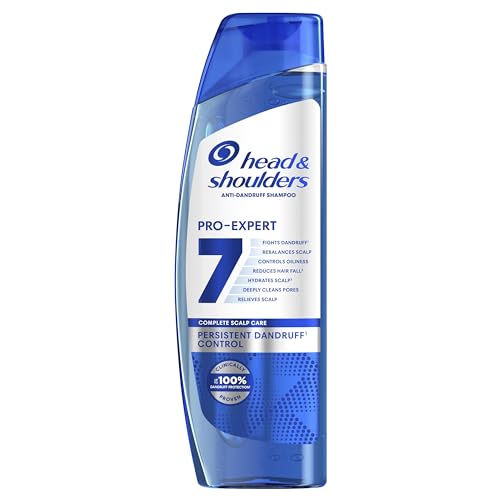
- Head & Shoulders Anti-Dandruff Shampoo Pro-Expert 7 Hair Fall Defense with Caffeine 800ml Pump. Clinically Proven to Improve Hair ...
- Cocochoco Gold Brazilian Keratin Hair Treatment KIT 50 ml Treatment & 50 ml Clarifying Shampoo KIT
- Hairstory New Wash Rich, Ultra-Moisturizing Cleansing Cream for Dry & Thick Hair, Shampoo & Conditioner Alternative, Restores Soft...
- Deep Care Nourishing Shampoo, 310ml, Sulfate-Free, for Dry and Damaged Hair, Natural Botanicals
Select the Right Shampoo
Once you have a clear understanding of your hair type and scalp health, choose a shampoo that aligns with your specific needs. For example, if you have colour-treated hair, seek out shampoos that are sulfate-free and specifically formulated to preserve colour. Those with curly hair should look for shampoos enriched with nourishing oils and shea butter to enhance curl definition and moisture. Always read the ingredients list and avoid harsh chemicals that can damage your hair.
Frequency of Washing
How often you wash your hair can significantly impact its health. For individuals with oily hair, shampooing daily or every other day is often necessary. However, if you have dry or curly hair, you may only need to wash it once or twice a week. Consider incorporating co-washing (using a conditioner to cleanse the hair) into your routine, especially if your hair is on the drier side. This method can help maintain moisture while cleansing the scalp.
Temperature Matters
The temperature of the water you use while washing your hair is crucial. Hot water can strip natural oils, leading to dryness and frizz. Instead, use lukewarm water to wash your hair and finish with a cool rinse to seal the hair cuticle, enhancing shine. This simple adjustment can significantly improve the overall health of your hair.
Incorporate Scalp Treatments
In addition to shampooing, consider incorporating scalp treatments into your routine. Massaging your scalp with natural oils such as coconut or jojoba can stimulate blood circulation and promote hair growth. You can also apply a scalp scrub once a month to remove product build-up and dead skin cells, giving your scalp a fresh start.
Follow Up with Conditioner
Never skip conditioner after shampooing, as it plays a vital role in maintaining moisture and detangling hair. Choose a conditioner that complements your shampoo and your hair type. For instance, if you use a volumising shampoo, opt for a lightweight conditioner. If your hair is thick and curly, a rich, hydrating conditioner will be beneficial. Apply conditioner primarily to the ends of your hair, avoiding the scalp to prevent greasiness.
Monitor and Adjust
Your hair needs can change due to seasons, environmental factors, or lifestyle changes. Regularly assess the condition of your hair and be willing to adjust your shampoo routine. If you notice your hair feeling different or becoming unmanageable, it may be time to switch up your products or washing frequency.